
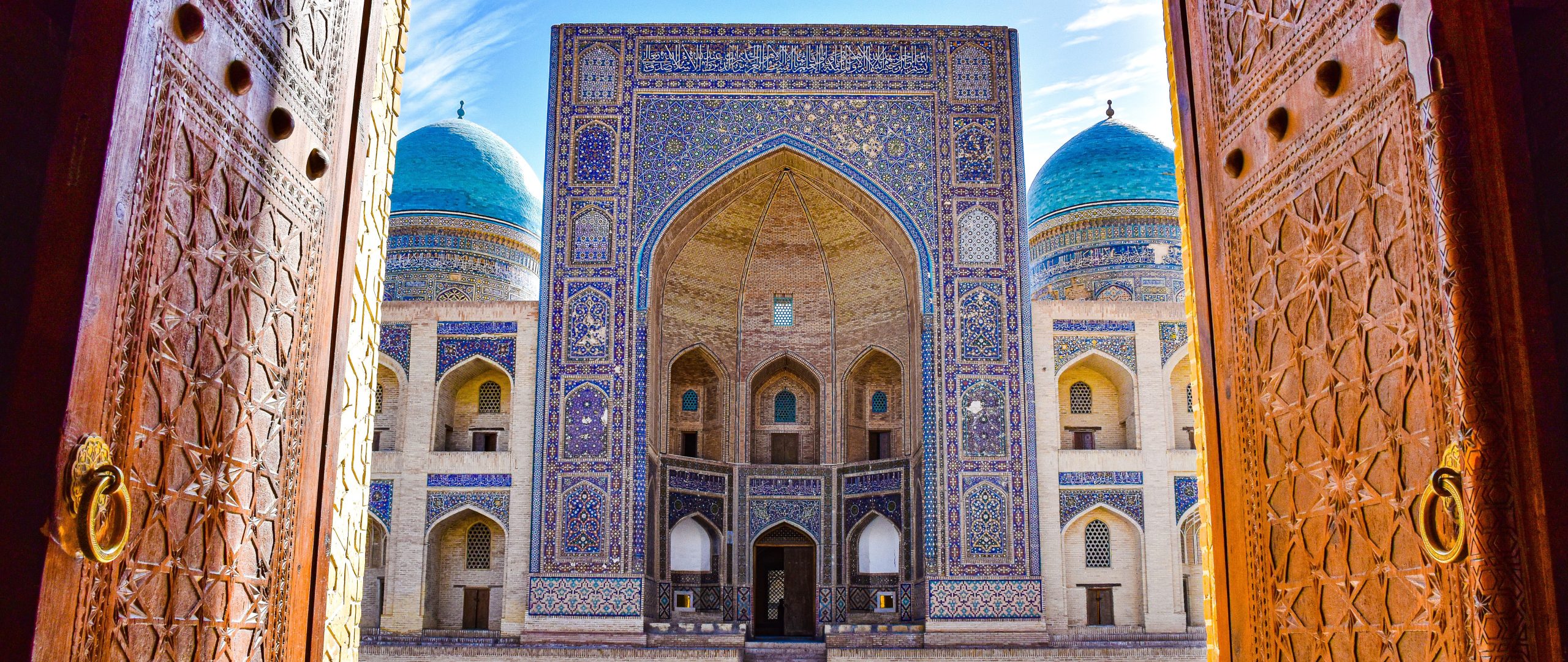
Interesting facts about Uzbekistan


  • Uranium reserves of Uzbekistan are ranked seventh in the world after Australia, Kazakhstan, Russia, Canada, South Africa and Ukraine, and the third in the world in its export after Kazakhstan and Australia.
  • Uzbekistan is one of the top five global producers of cotton. Five countries: China, USA, India, Pakistan and Uzbekistan - together produce 65% of the total amount. For Export of cotton Uzbekistan is the third largest after the U.S. and India. More than 75% of the produced cotton fiber is exported.
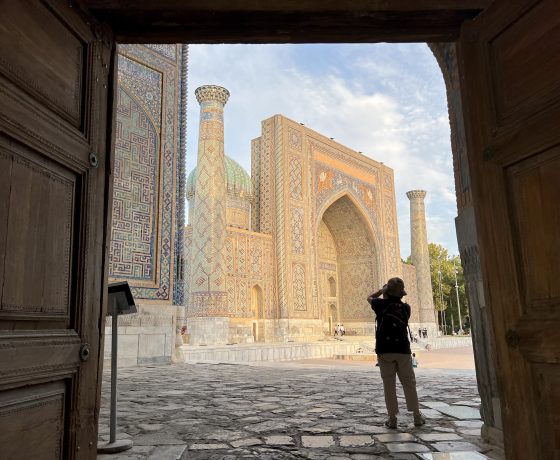
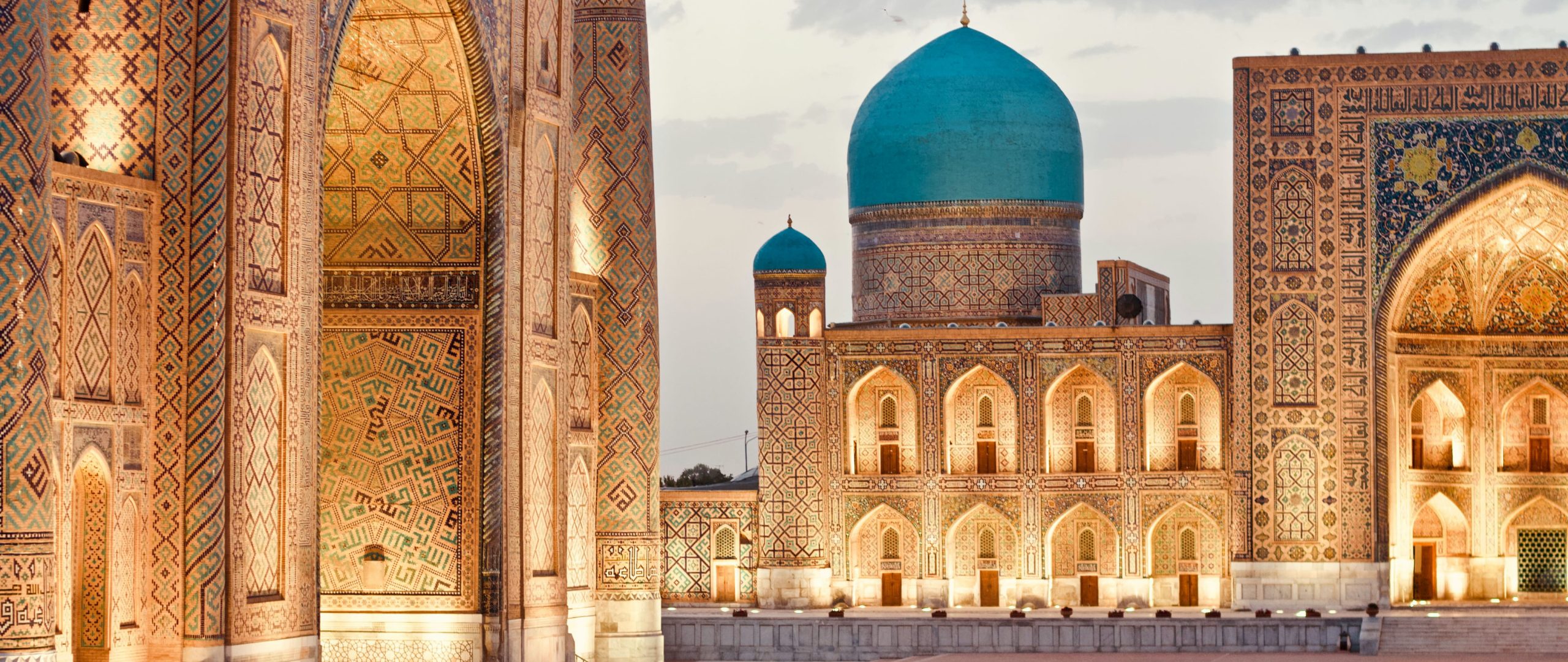
  • The oldest cities of Uzbekistan are more than 2750 years old, and the most famous of them - Samarkand, along with Rome, one of the oldest cities in the world.
  • Gold reserves of Uzbekistan are ranked fourth in the world after South Africa, the USA and Russia. And as for the extraction of gold - the second place among the CIS countries after Russia.
  • Uzbek cuisine - one of the most colorful in the east. Some Uzbek recipes have a long history, and the cooking is accompanied by various rituals that have survived to the present day. There are about thousands of dishes and recipes whose origins can be traced from the times before the Turkic and Mongol invasions, and in different regions of the country can make their own way. In the north prefer pilaf, grilled meats, pastry and cakes. In the south are preparing quite a lot of kinds of elaborate dishes of rice and vegetables, as well as make excellent desserts. An important place in the local table is mutton, horse meat, excellent local soups with lots of vegetables, vegetables themselves, dairy products and bread.
  • Uzbekistan is one of only two doubly landlocked countries in the world (the other being Liechtenstein). A doubly landlocked country is one that is landlocked by other landlocked countries
  • Tashkent's metro features chandeliers, marble pillars and ceilings, granite, and engraved metal. It has been called one of the most beautiful train stations in the world

Historical Places of Khiva

Ichan-Qala (literally “internal fortress”) forms the internal city of Khiva. The borders of Khiva coincided with that in the 16th-17th centuries. The clay wall over 2,200 m in length and 7-8 m in height surrounded Ichan-Qala. The wall was fortified with semicircular towers. The embattled gallery went along the top of wall. Defensive walls of Ichan-Qala reliably protected Khiva down to invasion of Nadir-shah in the middle of 18th century. Iranian troops took Khiva and fortification system was partly destroyed. Khiva had expanded at the Qungrad dynasty. By the 20th century its area had been fifteen times as much as Ichan-Qala.

“It was fantastic going on the sled to see the views on the monuments! And the action of it – I loved going fast!”

Help To Tourists


Handpicked Hotels

We always glad to help you to find comfortable hotels with good prices learn more

World Class Guides

Our company has professional guides of highest and first categories, that have licenses to work on the territory of Uzbekistan in English, French, German, Russian, Spanish, Italian, Chinese, Japanese languages, who will be happy to arrange excursions to the whole territory of Uzbekistan. learn more

Visa Support

If you are travelling to Uzbekistan you need to obtain an appropriate visitor's visa   learn more